Discussion
Loading...
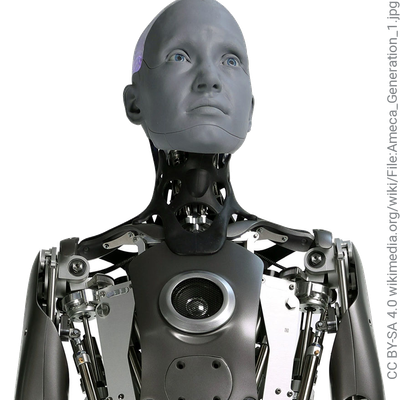

#Robots are exploring #space 🌌 and preparing the way for human missions to the #Moon 🌙 and #Mars 🔴. Whatever #humans do in space in the future, robots will almost certainly be there with them. They will be able to perform risky tasks for their human counterparts, work alongside them as helpers, and perhaps even provide companionship https://airandspace.si.edu/stories/editorial/space-place-robots
#NASA says it is interested in #humanoid #robots because they can help or even replace #astronauts working in extreme space 🌌 environments. #MIT is one of two #university research groups nationwide that will receive a 6-foot, 290-pound humanoid #robot to test and develop for future space missions to #Mars and beyond https://robotics.mit.edu/nasa-gives-mit-humanoid-robot-develop-software-future-space-missions/

#Humanoid robots could outperform humans in certain space 🌌 missions by surpassing physiological limits and taking on high-risk roles. #EngineAI has unveiled plans to send a humanoid #robot into #space https://interestingengineering.com/ai-robotics/worlds-first-humanoid-robot-astronaut-china
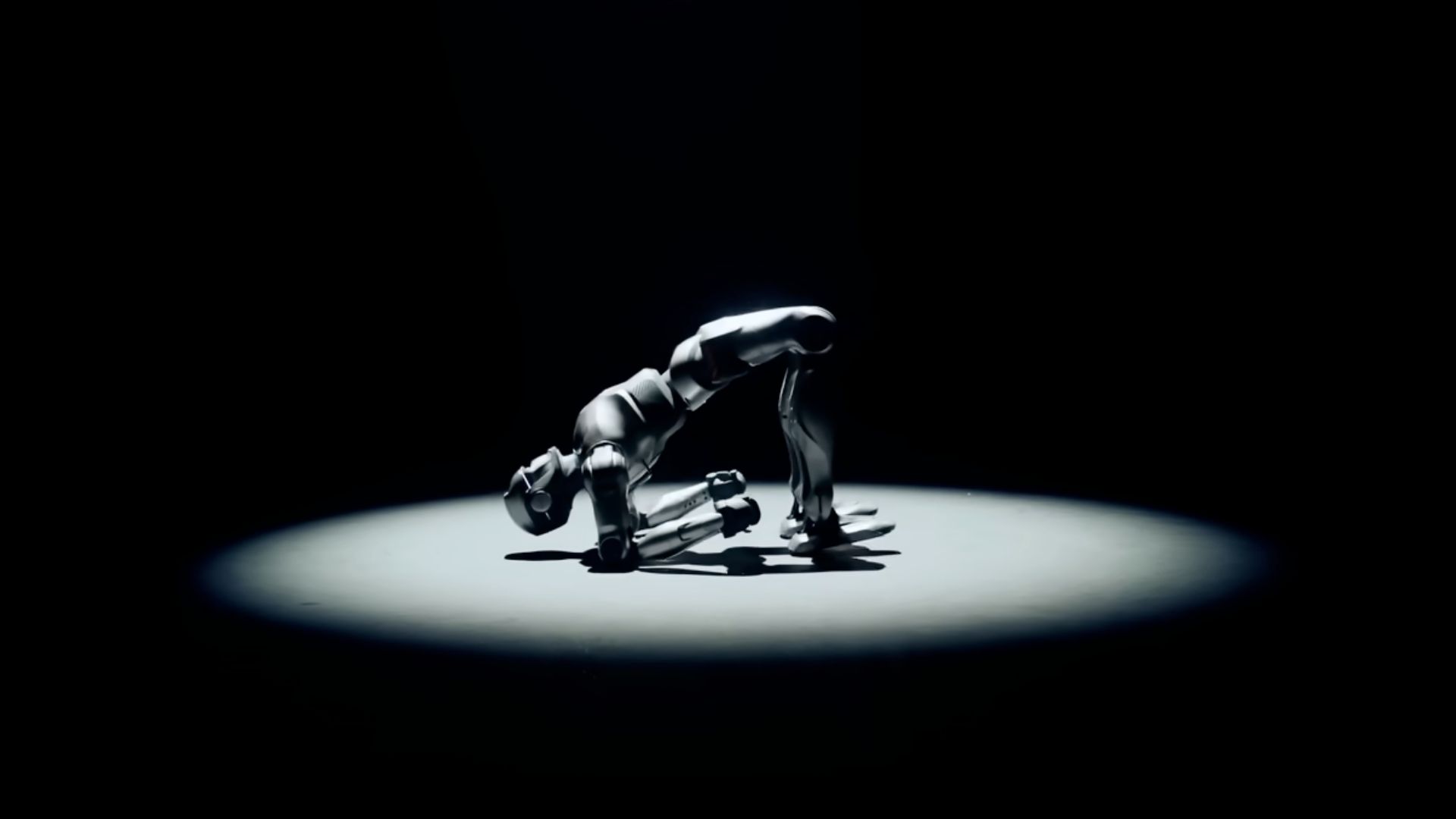
The #robot’s arms 🦾 can each rotate in seven different ways, including at the shoulder, the elbow, and the wrist just like the human arm.
The robot also comes with an advanced suspension that allows it to maintain balance while driving 🛞 over uneven terrain with craters and loose lunar soil https://www.independent.co.uk/space/china-humanoid-robot-moon-base-b2939157.html
