Discussion
Loading...

#Tag

Log in
  • About
  • Code of conduct
  • Privacy
  • About Bonfire
Winchell Chung ⚛🚀 boosted

Daniel Pomarède
Daniel Pomarède
@pomarede@mastodon.social  ·  activity timestamp 4 hours ago

History and mystery surround NASA’s 2028 nuclear Mars mission

Fission-powered space flight, a 60-year dream, would supercharge outer Solar System exploration.

“A lot of folks at NASA don’t even understand all the details of what’s going on.”

https://www.science.org/content/article/history-and-mystery-surround-nasa-s-2028-nuclear-mars-mission

#Mars #SR1 #SR1Freedom #space #science #news #NASA #nuclear #nuclearpower

  • Copy link
  • Flag this post
  • Block
Daniel Pomarède
Daniel Pomarède
@pomarede@mastodon.social  ·  activity timestamp 4 hours ago

History and mystery surround NASA’s 2028 nuclear Mars mission

Fission-powered space flight, a 60-year dream, would supercharge outer Solar System exploration.

“A lot of folks at NASA don’t even understand all the details of what’s going on.”

https://www.science.org/content/article/history-and-mystery-surround-nasa-s-2028-nuclear-mars-mission

#Mars #SR1 #SR1Freedom #space #science #news #NASA #nuclear #nuclearpower
  • Copy link
  • Flag this post
  • Block
Winchell Chung ⚛🚀 boosted
Corey S Powell
Corey S Powell
@coreyspowell@mastodon.social  ·  activity timestamp yesterday

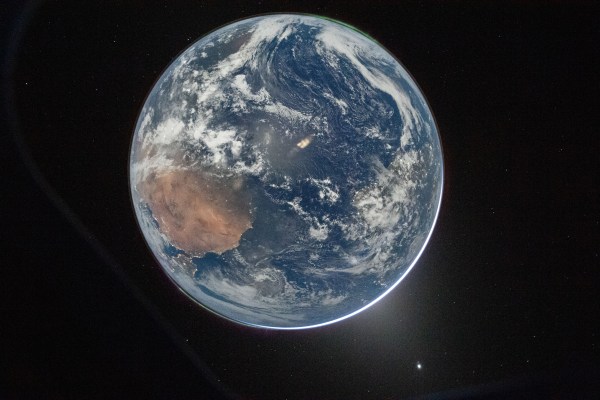
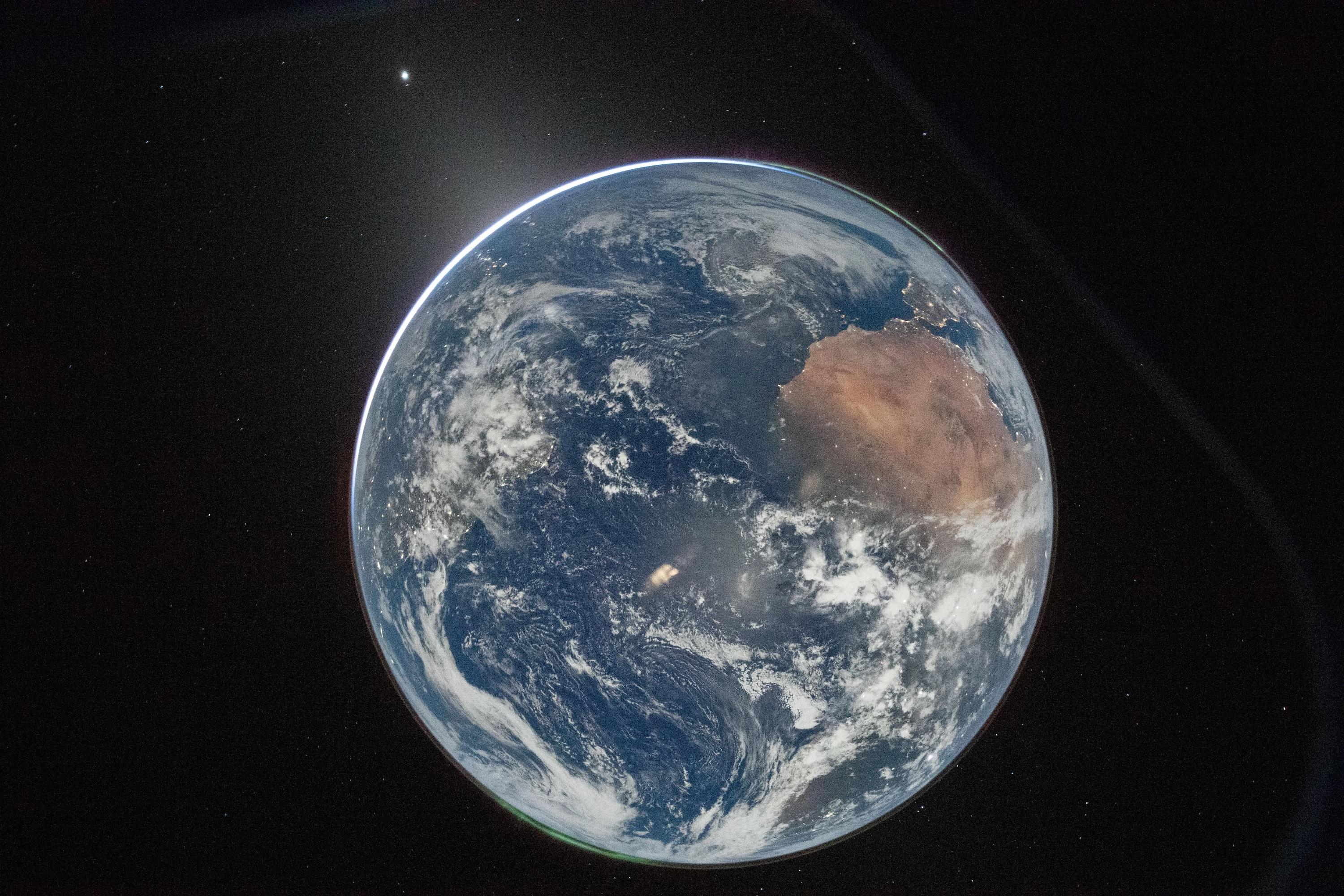
What an amazing view of Earth from Artemis II.

The Sun is behind the Earth, illuminating a thin crescent. This low-light shot, taken by Reid Wiseman using a Nikon D5, shows auroras over the poles, city lights, and the glow of the atmosphere.

And yes, there are stars!

https://www.nasa.gov/image-article/hello-world/ #space #science #nature #technology

NASA astronaut and Artemis II Commander Reid Wiseman took this picture of Earth from the Orion spacecraft’s window after completing the translunar injection burn. There are two auroras (top right and bottom left) and zodiacal light (bottom right) is visible as the Earth eclipses the Sun.
NASA

Hello, World

NASA astronaut and Artemis II Commander Reid Wiseman took this picture of Earth from the Orion spacecraft's window after completing the translunar injection
  • Copy link
  • Flag this post
  • Block
Corey S Powell
Corey S Powell
@coreyspowell@mastodon.social  ·  activity timestamp yesterday

What an amazing view of Earth from Artemis II.

The Sun is behind the Earth, illuminating a thin crescent. This low-light shot, taken by Reid Wiseman using a Nikon D5, shows auroras over the poles, city lights, and the glow of the atmosphere.

And yes, there are stars!

https://www.nasa.gov/image-article/hello-world/ #space #science #nature #technology

NASA astronaut and Artemis II Commander Reid Wiseman took this picture of Earth from the Orion spacecraft’s window after completing the translunar injection burn. There are two auroras (top right and bottom left) and zodiacal light (bottom right) is visible as the Earth eclipses the Sun.
NASA

Hello, World

NASA astronaut and Artemis II Commander Reid Wiseman took this picture of Earth from the Orion spacecraft's window after completing the translunar injection
  • Copy link
  • Flag this post
  • Block
Winchell Chung ⚛🚀 boosted
GeologistsCat
GeologistsCat
@GeologistsCat@mastodon.social  ·  activity timestamp 3 days ago

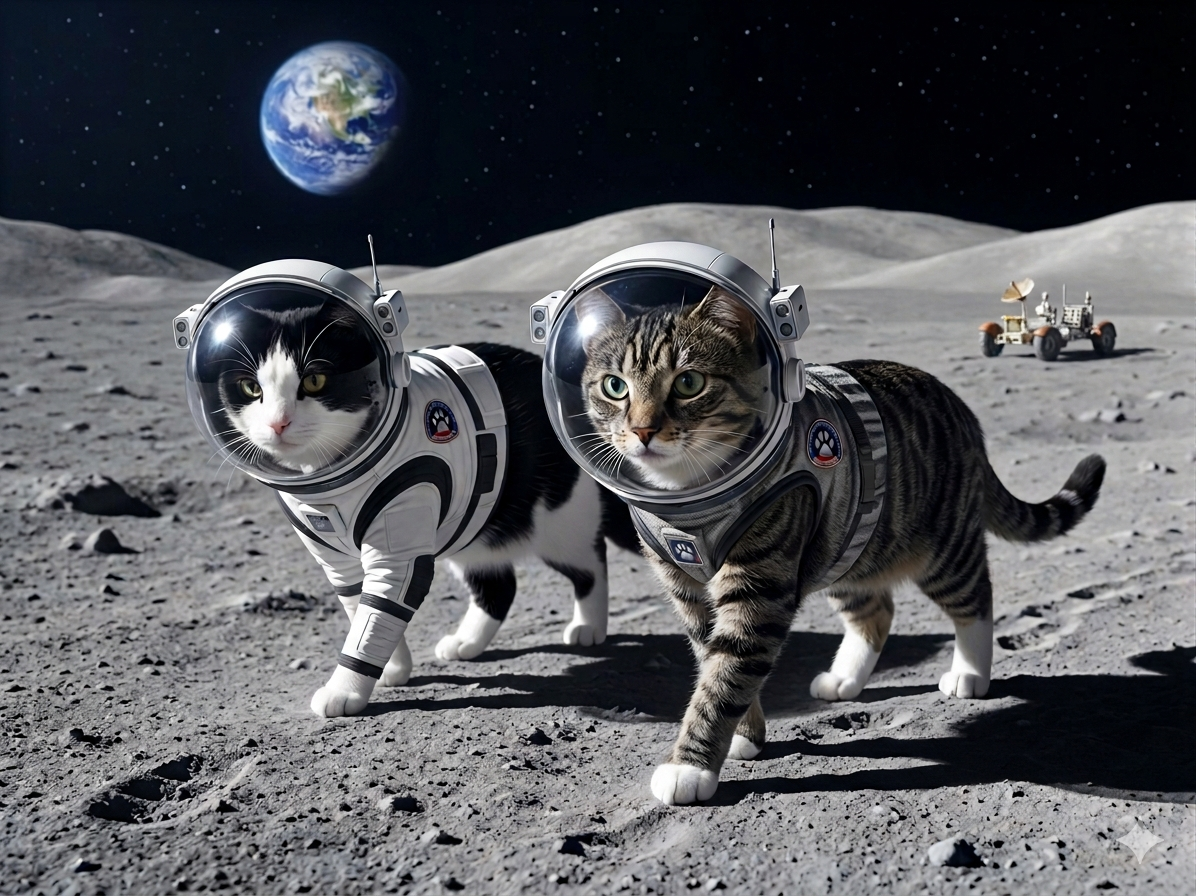
Today Mica and Jasper, the 2 #CatsWithGeologists are on #hedgewatch on the #moon 🙀 Just kidding 😽🐾 We watch the #NASA live stream of the #Artemis II Launch. They and their humans have all paws and fingers crossed for the astronaut's
#astronomy #geology #science #CatsOfMastodon

Mica and Jasper have a walk on the moon
  • Copy link
  • Flag this post
  • Block
GeologistsCat
GeologistsCat
@GeologistsCat@mastodon.social  ·  activity timestamp 3 days ago

Today Mica and Jasper, the 2 #CatsWithGeologists are on #hedgewatch on the #moon 🙀 Just kidding 😽🐾 We watch the #NASA live stream of the #Artemis II Launch. They and their humans have all paws and fingers crossed for the astronaut's
#astronomy #geology #science #CatsOfMastodon

Mica and Jasper have a walk on the moon
  • Copy link
  • Flag this post
  • Block
Winchell Chung ⚛🚀 boosted
Corey S Powell
Corey S Powell
@coreyspowell@mastodon.social  ·  activity timestamp 2 weeks ago

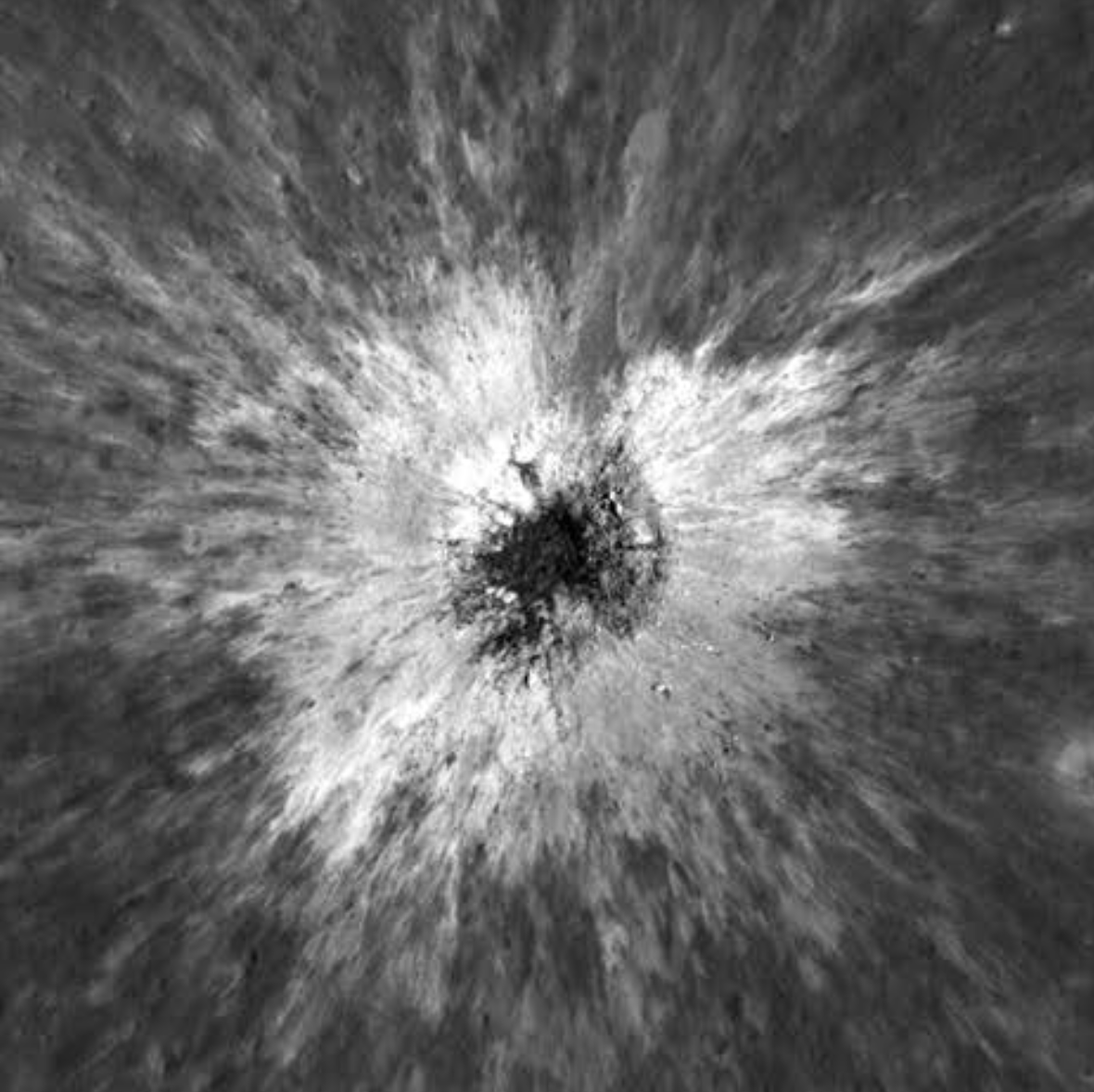
A new 225-meter (740-foot) crater appeared on the Moon while nobody was looking. NASA's lunar orbiter imaged the dramatic aftermath.

Such large impacts are once-in-a-century events. This one happened in the spring of 2024.

https://www.sciencenews.org/article/moon-new-crater-nasa-orbiter #space #science #nature #nasa

New 225-m diameter lunar crater imaged by LRO, incidence angle 38°. Image width 950 meters, north is up.
Science News

In a rare event, the moon got a massive new crater

A crater as wide as two American football fields formed in spring 2024, a size expected roughly once a century. A NASA orbiter got to watch.
  • Copy link
  • Flag this post
  • Block
Winchell Chung ⚛🚀 boosted
Corey S Powell
Corey S Powell
@coreyspowell@mastodon.social  ·  activity timestamp last week

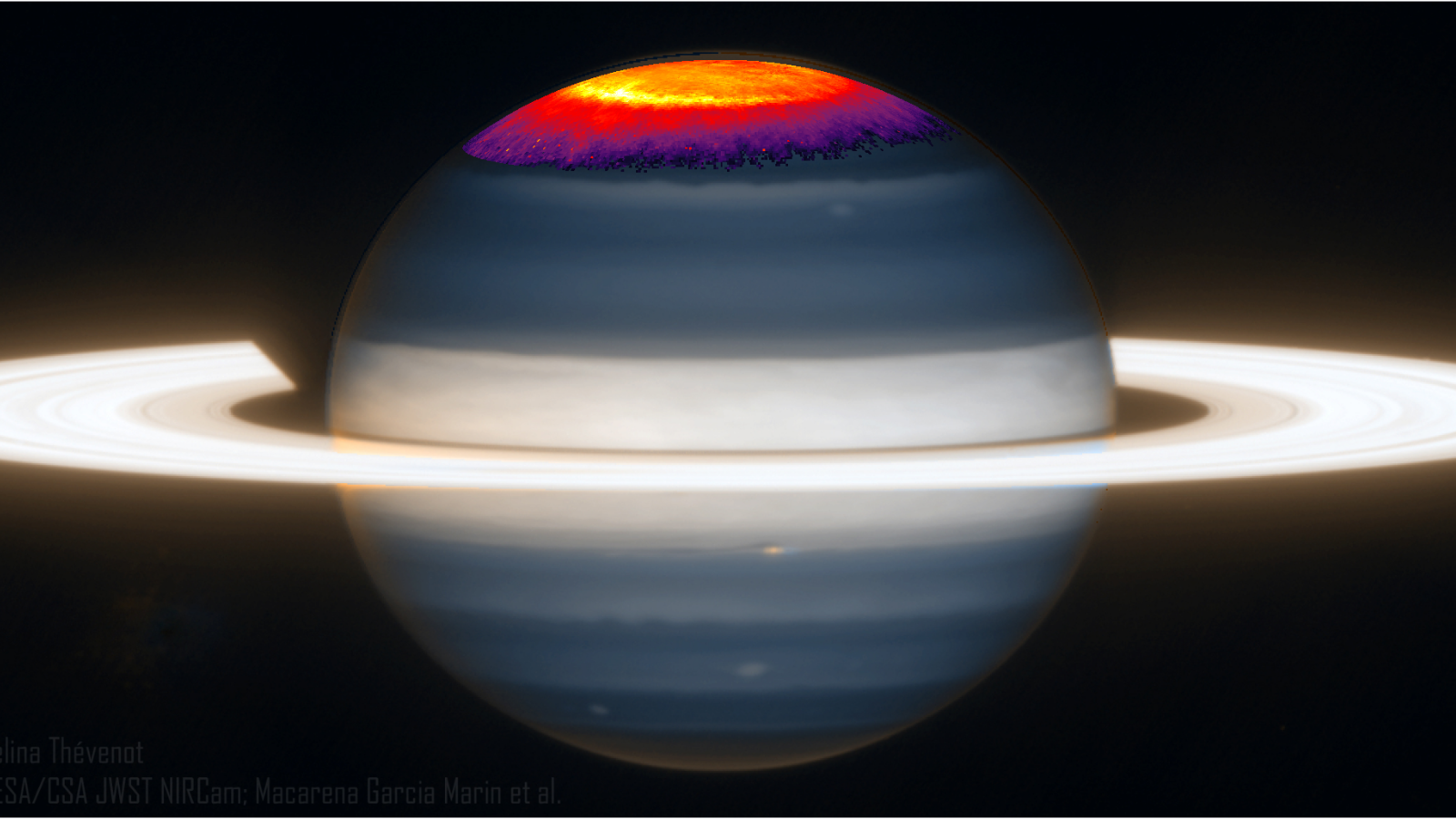
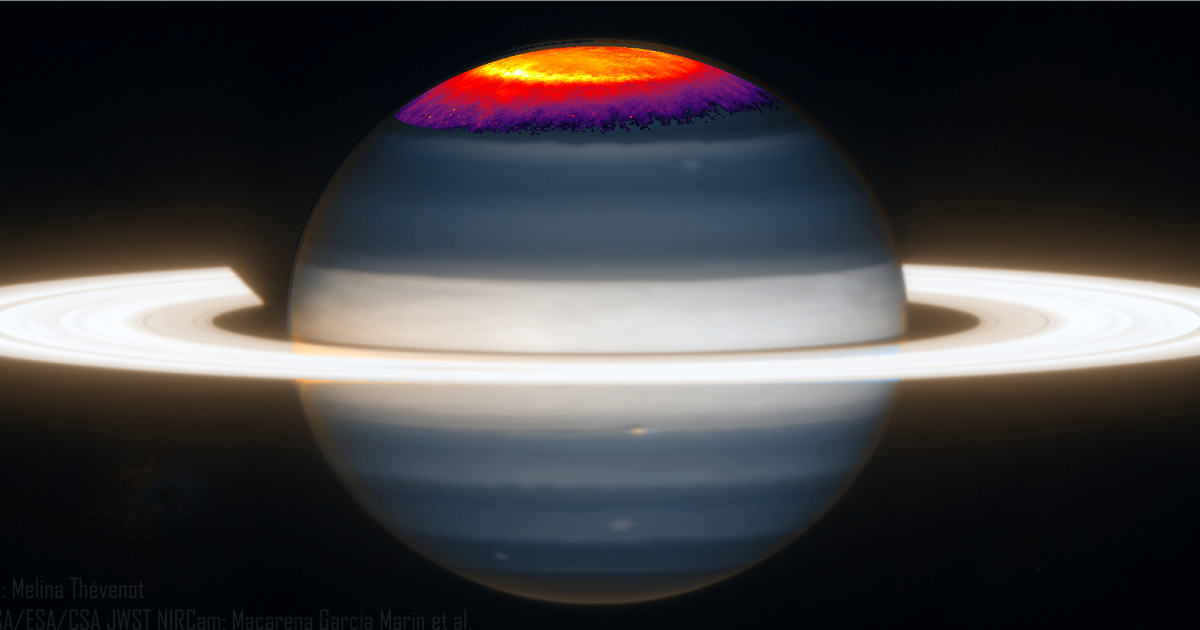
But wait! Here's another perspective on Saturn. This JWST image shows how auroras on the planet heat the atmosphere, which drives winds, which generate electrical currents, which help create more auroras...

It's an endless dynamic cycle that we've just discovered.

https://www.northumbria.ac.uk/about-us/news-events/news/why-saturn-appears-to-change-its-spin/ #science #astronomy #technology

Image shows the asymmetric temperature structure revealed in the paper, as it was observed from JWST. These are offset from where the currents flow into and out of the planet, but ultimately, the winds generated by this temperature offset are what drive those currents.

Scientists solve decades-long mystery about why Saturn appears to change its spin

Researchers at Northumbria University have used the most powerful space telescope ever built to answer one of the longest-standing puzzles in planetary science – why does Saturn appear to spin at a different speed depending on how you measure it?
  • Copy link
  • Flag this post
  • Block
Corey S Powell
Corey S Powell
@coreyspowell@mastodon.social  ·  activity timestamp last week

A tale of two Saturns. The one from Hubble shows visible light, the one from JWST shows infrared.

They're taken 3 months apart, so they also show Saturn's shifting angle relative to Earth. A welcome double dose of beauty.

https://science.nasa.gov/missions/webb/nasa-webb-hubble-share-most-comprehensive-view-of-saturn-to-date/ #space #science #nature

Your browser does not support the video tag.
This video cannot be previewed
Open original
Complementary views of Saturn from NASA’s James Webb Space Telescope and Hubble Space Telescope show a dynamic planet with atmospheric features, orbiting moons, and bright rings.
NASA Science

NASA Webb, Hubble Share Most Comprehensive View of Saturn to Date

NASA’s Webb and Hubble Space Telescopes have teamed up to capture new views of Saturn, revealing the planet in strikingly different ways.
Corey S Powell
Corey S Powell
@coreyspowell@mastodon.social replied  ·  activity timestamp last week

But wait! Here's another perspective on Saturn. This JWST image shows how auroras on the planet heat the atmosphere, which drives winds, which generate electrical currents, which help create more auroras...

It's an endless dynamic cycle that we've just discovered.

https://www.northumbria.ac.uk/about-us/news-events/news/why-saturn-appears-to-change-its-spin/ #science #astronomy #technology

Image shows the asymmetric temperature structure revealed in the paper, as it was observed from JWST. These are offset from where the currents flow into and out of the planet, but ultimately, the winds generated by this temperature offset are what drive those currents.

Scientists solve decades-long mystery about why Saturn appears to change its spin

Researchers at Northumbria University have used the most powerful space telescope ever built to answer one of the longest-standing puzzles in planetary science – why does Saturn appear to spin at a different speed depending on how you measure it?
  • Copy link
  • Flag this comment
  • Block
Corey S Powell
Corey S Powell
@coreyspowell@mastodon.social  ·  activity timestamp last week

A tale of two Saturns. The one from Hubble shows visible light, the one from JWST shows infrared.

They're taken 3 months apart, so they also show Saturn's shifting angle relative to Earth. A welcome double dose of beauty.

https://science.nasa.gov/missions/webb/nasa-webb-hubble-share-most-comprehensive-view-of-saturn-to-date/ #space #science #nature

Your browser does not support the video tag.
This video cannot be previewed
Open original
Complementary views of Saturn from NASA’s James Webb Space Telescope and Hubble Space Telescope show a dynamic planet with atmospheric features, orbiting moons, and bright rings.
NASA Science

NASA Webb, Hubble Share Most Comprehensive View of Saturn to Date

NASA’s Webb and Hubble Space Telescopes have teamed up to capture new views of Saturn, revealing the planet in strikingly different ways.
  • Copy link
  • Flag this post
  • Block

Hiti

हिति , in Nepāl Bhāṣā, is the word for a shared community water tap. Even in modern Newar cities, these ancient structures still pour out fresh mountain water piped through ancient underground filters and conduits. They are a place to wash, to talk, to drink, to meet the locals: a nourishing, refreshing social-ecological place.

Hiti: About · Code of conduct · Privacy ·
Bonfire social · 1.0.1 no JS en-GB
Automatic federation enabled
Log in
  • Explore
  • About
  • Code of Conduct